
How are Children Affected by Domestic Violence?
Linda Baker and Allison Cunningham (2007) share that “children are not passive witnesses to noise, tension and violence at home. Little eyes and little ears don’t miss much, soaking in sights and sounds.”
Recent Canadian data continue to reinforce this reality. Self-reported victimization surveys indicate that approximately 40–45 per cent of adults who experienced intimate partner violence said that a child saw or heard the violence, a proportion that has remained consistent over time. In addition, in about 4–6 per cent of domestic violence incidents, a child was directly threatened, physically harmed, or otherwise targeted during the incident.
Police-reported data show that children are frequently present in homes where domestic violence occurs, with estimates suggesting that more than 4 in 10 incidents involve children who either witness the violence or live in the household where it occurs.
Between 2018 and 2023, there were an average of 70–90 intimate partner homicide deaths per year in Canada, and approximately 10–15 per cent of victims were children or youth, either killed directly or during incidents involving parental or caregiver violence. In many cases, these deaths occurred alongside the homicide of a parent, most often the child’s mother.
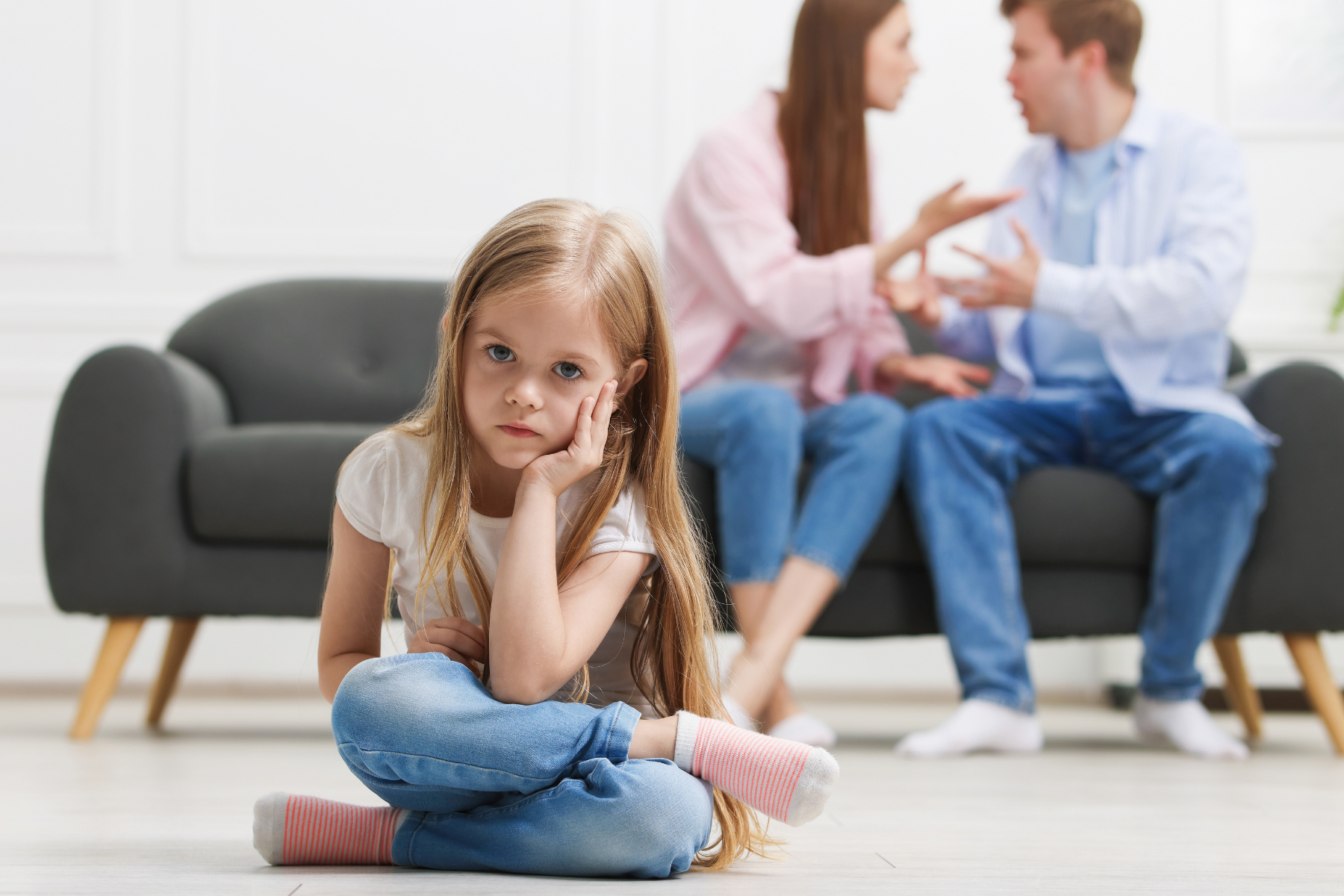
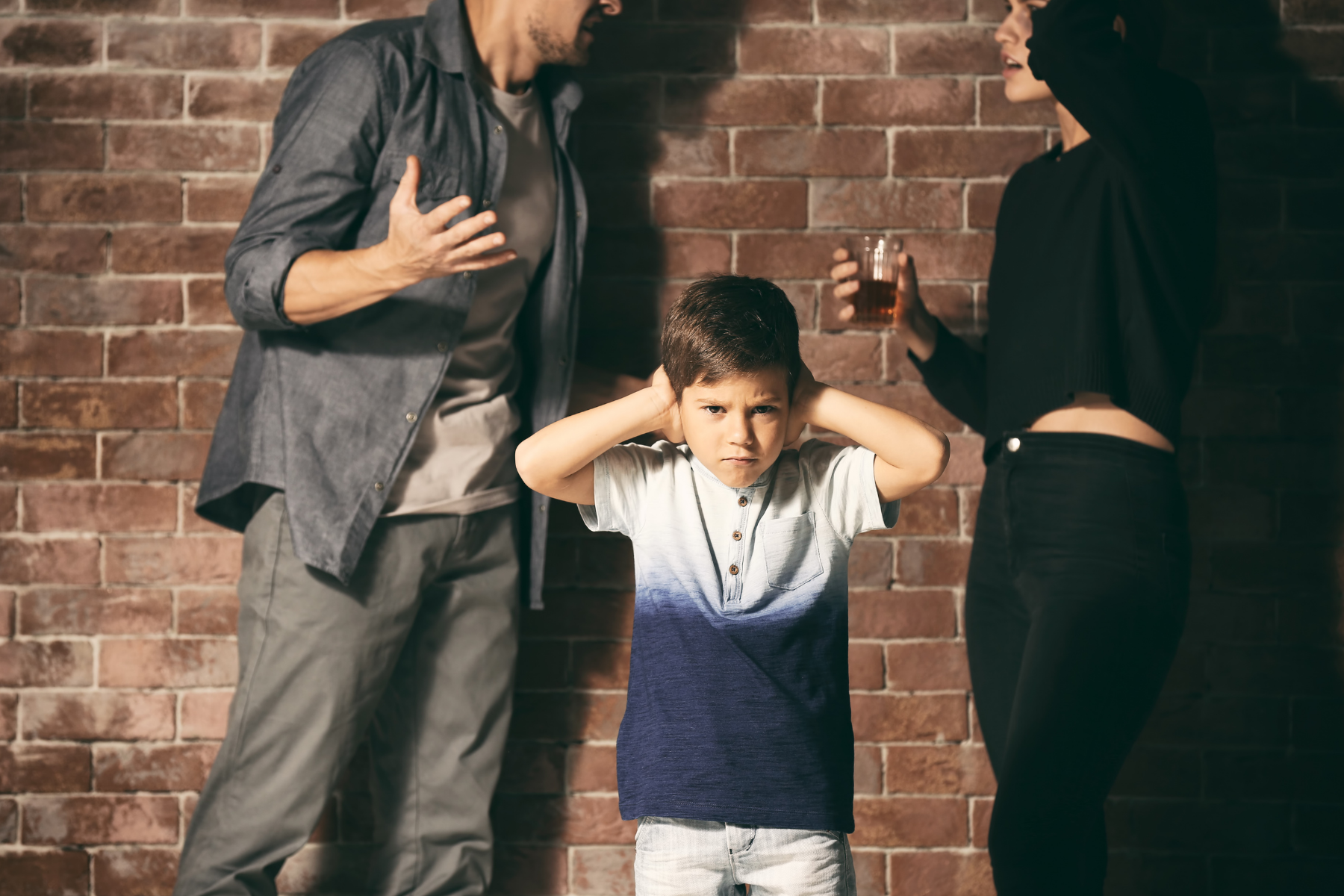
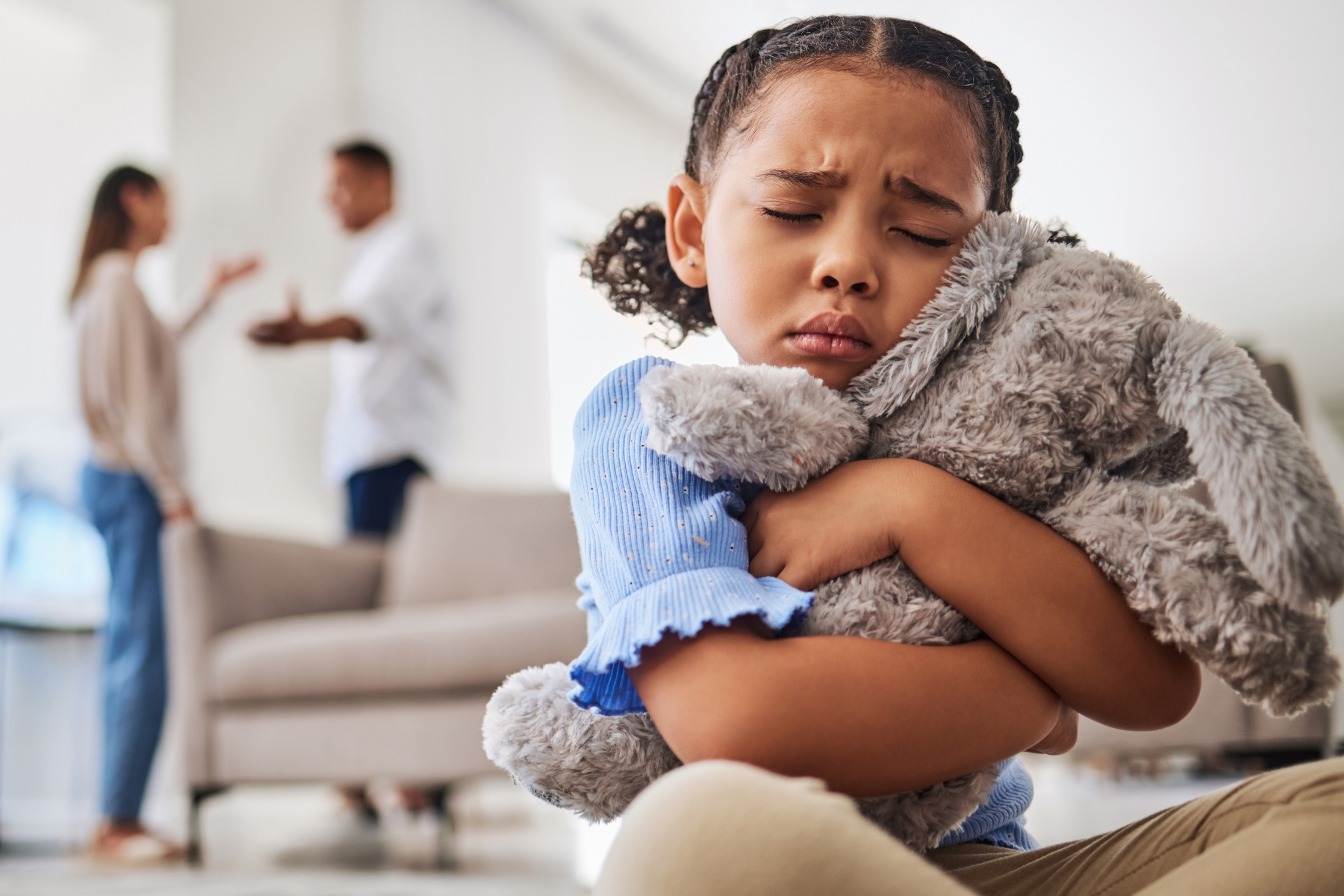
Children are not just witnesses in their own homes, they:
• see the victim assaulted or humiliated
• hear loud conflict and threats
• experience financial harm, including the denial of child support
• are blamed by the abusive parent for the abuse
• are manipulated into abusing or controlling the victim
• are dragged through prolonged court proceedings
• are determined to help
• may referee or try to rescue the victim
• may protect younger siblings or seek outside help
• learn that violence can get you what you want
• may learn that victims are weak
• learn that those who love you can still hurt you
• learn that abusive relationships are normal
10 Ways a Child Can Be Changed by Violence
The following list is taken from Linda Baker and Allison Cunningham’s publication Little Eyes, Little Ears (2007):
• Children are denied a good father and a positive male role model
• Abuse can harm the mother/child bond
• Children can develop negative core beliefs about themselves
• Children can be isolated from helpful sources of support
• Unhealthy family roles can evolve in homes with domestic violence
• Abuse destroys a child’s view of the world as a safe and predictable place
• Abuse often co-occurs with other stresses and adversities, compounding harm
• A child’s style of coping and survival may become problematic
• Children may adopt rationalizations for abuse
• Children can come to believe that victimization is inevitable or normal
Latest News
New customizable tabs put you back in control so that you can see what’s new at a glance and decide which emails you want to read and when.
A Message from Lanark County Interval House’s Executive Director in Support of Cornell’s Jane Doe
Some may say that Lanark County Interval House and Community Support prides itself on being a small agency with a big voice. For more than 47 years, the agency has continued to amplify the issues facing women, girls, Two-Spirit and gender-diverse folks who are victims...

Your Body. Your Boundaries. Staying Safe During Personal Care Appointments
Whether you're visiting a massage therapist, physiotherapist, chiropractor, esthetician, waxing appointment, tattoo artist, or another personal care provider, you should feel safe, respected, and in control throughout your appointment. Many personal care services...
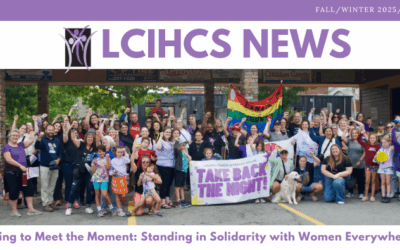
Fall/Winter 2025/26 Newsletter
Please click here to read our latest newsletter! Fall/Winter 2025/26 Newsletter